Bezos's $41B Physical AI: Your Strategic Blueprint
Jeff Bezos's Prometheus raised $12B for physical AI. Discover what this $41B valuation means for your investments, startup strategy, and agency future.
Editorial Note
Reviewed and analysis by AF1 Editorial Team.
In this article
On June 12th, 2026, Prometheus, a physical AI startup co-founded by Jeff Bezos and Vik Bajaj, secured $12 billion in funding, valuing the company at $41 billion. This investment signals a significant shift in the technology market, as capital flows into AI that builds, moves, and manipulates real-world objects.
Why This Matters
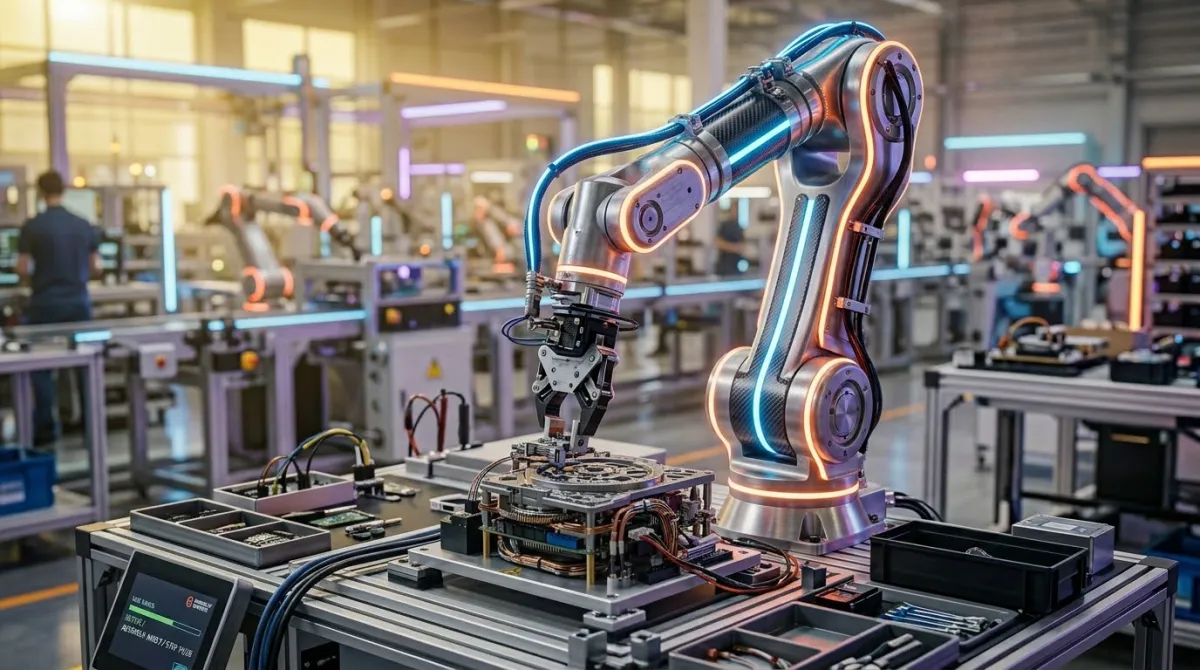
This massive infusion of capital into Prometheus indicates a re-evaluation of where significant value will be created. You can imagine an 'artificial general engineer' as a master architect and builder robot, capable of designing, optimizing, and constructing anything from new factory lines to entire urban infrastructures.
For your investment portfolio, this suggests a re-weighting towards companies solving complex, real-world physical challenges. For founders, it validates focusing your innovative energy on physical rather than purely digital solutions. You can consider the following areas for investment:
- Robotics and industrial automation
- Advanced manufacturing and construction
- Logistics and supply chain management
What You Should Do
For investors, Prometheus’s valuation suggests that a premium is now placed on physical AI's long-term potential. Your strategic choice involves assessing your current exposure to these sectors. While Prometheus is privately held, you can consider publicly traded companies or other startups that are innovating in similar areas.
For startup founders, this announcement should prompt you to evaluate your business model. You can think about problems in your industry that require physical interaction, manipulation, or construction. Can you automate a complex manufacturing process? Can you design smarter logistics systems that adapt physically to changing demands?
The Bottom Line
The physical world is the next massive frontier for AI, and your strategy must adapt accordingly. You can position yourself for success by understanding the potential of physical AI and its applications in various industries. By doing so, you can stay ahead of the curve and capitalize on the opportunities that this technology presents.
Originally reported by
TecnologyWhat did you think?



Stay Updated
Get the latest tech news delivered to your reader.