Your ISS Future: Russia's Leaky Module & What It Means
A tense situation aboard the International Space Station saw NASA prepare for evacuation as Russia planned to seal a leaky module. Understand what this means for your future in space.
Editorial Note
"Reviewed and analysis by AF1 Editorial Team."
In this article
Imagine a particularly tense moment aboard the International Space Station, where you find yourself directed to secure your position in the Dragon capsule, preparing for a potential return to Earth. That's precisely what NASA astronauts faced earlier this month, while their Russian counterparts were engaged in what's been described as impromptu demolition work on their side of the orbiting complex. It's a high-stakes scenario that highlights the fragile nature of international cooperation in space.
Key Details
This dramatic situation stems from an ongoing issue within Russia's Zvezda module, a critical component of the International Space Station. The immediate concern arose when NASA directed its crew to take refuge in the Dragon capsule, a contingency plan for a potential emergency return, as the details of the Russian activities unfolded. You might be asking, what exactly was going on? Your Russian counterparts were dealing with a significant leak within the Zvezda module.
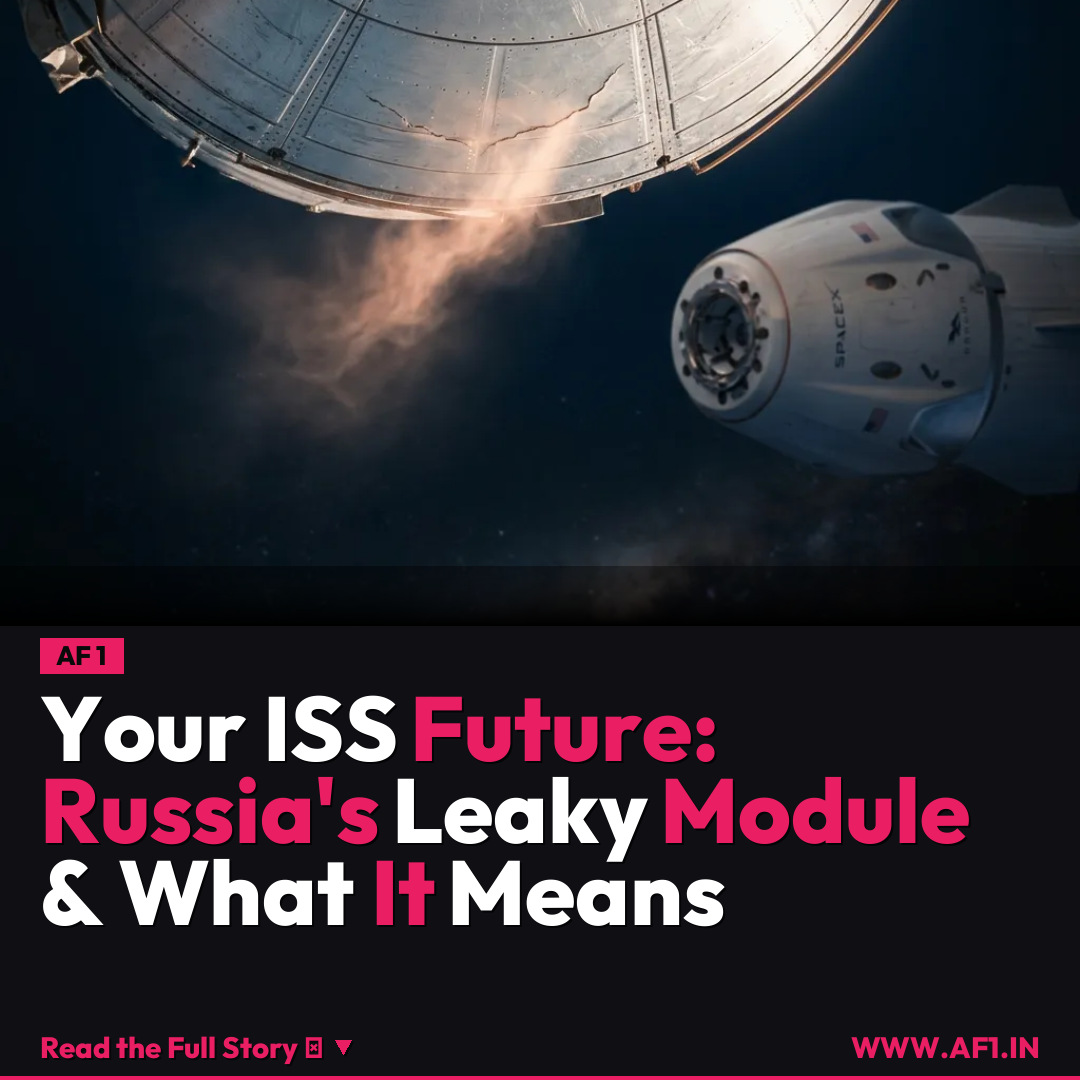
The technical heart of the problem lies within the PrK passage, a crucial connection inside the Zvezda module that links to its rear docking port. This port is vital, not just for docking other spacecraft like the Progress and Cargo Dragon, but also for conducting critical reboost maneuvers that keep the entire ISS at the correct altitude. Unfortunately, this passage has developed cracks in its walls, allowing the Station’s precious internal atmosphere to leak out into an unpressurized space. This isn't just a minor issue; it's a direct threat to the Station's integrity and a source of constant concern for both NASA and Roscosmos.
In response to this persistent leak, Roscosmos has proposed a controversial plan: to seal off the crippled compartment of the Zvezda module entirely. While this might sound like a drastic solution, it's seen as a pragmatic way to contain the problem and maintain stability, at least until the planned wind-down of Station operations. However, you can see why this creates a controversy. Sealing off such a significant section could create new problems, potentially limiting access or functionality within the module. Despite these risks, it's considered a necessary step to keep the peace and ensure continued, albeit altered, cooperation with NASA.
Why This Matters
This situation matters deeply for you because it underscores the delicate balance of international collaboration in space. The International Space Station, a marvel of engineering and diplomacy, relies on the seamless operation of all its modules and the unwavering cooperation between nations like the United States and Russia. When a key module like Zvezda, which is essential for reboost maneuvers and docking, faces such an existential threat, it impacts the operational lifespan and overall integrity of the entire Station. Your understanding of space exploration and its future is directly tied to how these challenges are managed.
Furthermore, the decision to seal off a critical compartment, while a temporary fix, could significantly alter the ISS’s capabilities. Imagine the implications for future scientific research or the logistical challenges of docking other spacecraft. While the Space Shuttle program has ended, the reliance on capsules like Dragon and Progress spacecraft continues. If the Zvezda module's rear docking port functionality is compromised, it could necessitate new protocols or even restrict certain operations. This isn't just about a leaky pipe; it's about the continued viability of humanity's most ambitious orbital laboratory as it approaches its planned decommissioning.
The Bottom Line
The situation with the Zvezda module leak and Russia's plan to seal it off represents a pragmatic, if not ideal, solution to a complex problem aboard the International Space Station. For you, it highlights the ongoing challenges of maintaining such a sophisticated structure in orbit and the critical need for international cooperation to overcome them. While the fix may introduce new complexities, it’s a strategic move to ensure the Station can continue operating safely until its eventual retirement. Staying informed about these developments helps you appreciate the intricate dance of technology and diplomacy that keeps us reaching for the stars.
Originally reported by
HackdayWhat did you think?



Stay Updated
Get the latest tech news delivered to your reader.